
Facebook Monetization Policy Violation Remove
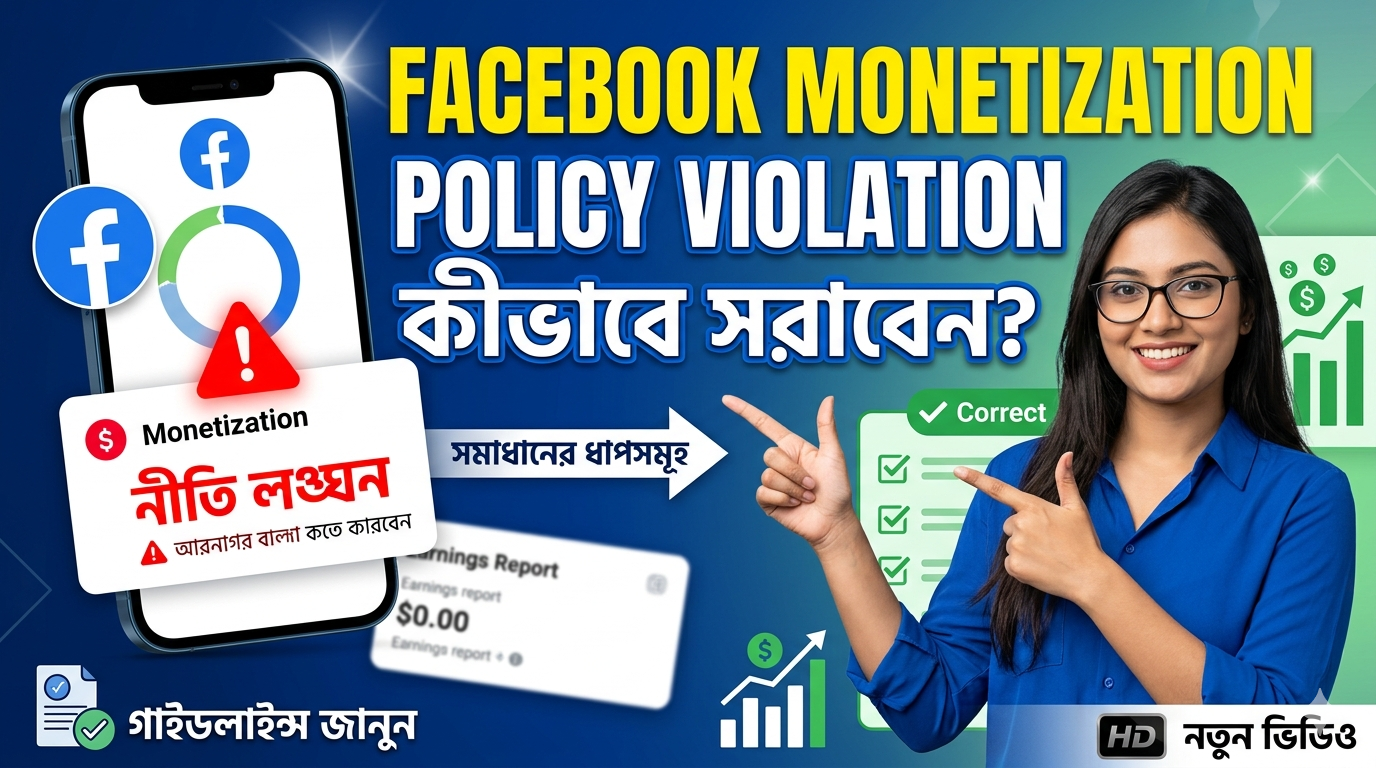
If you received a Facebook Monetization Policy Violation Remove, you should review the specific policy that was violated and take the necessary steps to rectify the issue promptly. Facebook has specific guidelines in place for monetization, and any violation can result in the removal of monetization privileges.
It's important to thoroughly understand and adhere to these policies to avoid any further violations. Facebook offers users the opportunity to monetize their content through various means such as ads, fan subscriptions, and more. However, it's crucial to comply with the platform's policies to maintain monetization privileges.
We'll delve deeper into Facebook's monetization policies, common violations, and steps to address and prevent such issues in the future, ensuring a smooth monetization experience.
Common Monetization Services
In-stream Ads
In-stream ads refer to the ads that appear within video content on Facebook. The placement and frequency of these ads are determined by Facebook and provide a way for content creators to monetize their videos. However, it is essential to comply with Facebook's guidelines to avoid policy violations and potential removal of monetization privileges.
Fan Subscriptions
Fan subscriptions allow creators to offer exclusive content and perks to their fans in exchange for a monthly subscription fee. This provides a recurring revenue stream for creators and enhances the engagement with their fan base. However, it's crucial to adhere to Facebook's monetization policy to ensure uninterrupted access to this feature.
Branded Content
Branded content involves collaborating with brands to create promotional content that is shared with the creator's audience. This can include product placement, endorsements, or sponsored posts. It's important to follow Facebook's guidelines on branded content to prevent policy violations and potential repercussions.
Monetization Eligibility Standards
In order to ensure that your Facebook page complies with the Monetization Eligibility Standards, it is important to understand the specific criteria that need to be met for monetization. The Monetization Eligibility Standards cover various aspects such as content standards, community standards, and payment policy. By adhering to these standards, you can ensure that your page is eligible for monetization and avoid the risk of policy violations.
Content Standards
Content standards refer to the type of content that is eligible for monetization on Facebook. The platform has strict guidelines regarding the type of content that can be monetized, including restrictions on sensitive topics, violence, hate speech, and copyright infringement. It is crucial to review and adhere to these guidelines to ensure that your content meets the required standards.
Community Standards
Facebook's community standards outline the rules and regulations that govern user behavior and content on the platform. These standards cover a wide range of topics, including authenticity, safety, and respect for others. By following these community standards, you can create a positive and engaging environment for your audience, which is essential for maintaining monetization eligibility.
Payment Policy
Facebook's payment policy governs the rules and regulations related to monetization payments. This includes guidelines on payment thresholds, payment verification, and payment methods. It is important to understand and comply with these policies to ensure that you receive your monetization earnings in a timely and secure manner.
Identifying Your Violation
When you receive a notification about a Facebook Monetization Policy violation, it's crucial to promptly identify the specific issue to take appropriate action. Understanding and recognizing the nature of the violation is essential for rectifying the problem and avoiding further breaches.
Monetization Issue Alerts
Facebook provides Monetization Issue Alerts to notify creators of violations that may be affecting their revenue. These alerts offer valuable insights into the specific policy breached and the actions required to address the violation.
Types Of Violations
There are various Types of violations that can lead to a Facebook Monetization Policy violation, including but not limited to:
- Engagement Baiting
- Clickbait
- Intellectual Property Violation
- Misleading Content
Impact On Revenue
Understanding the Impact on revenue stemming from a Monetization Policy violation is critical. Violations can lead to demonetization, impacting the creator's income and potentially tarnishing their reputation. Promptly rectifying the violation is essential for sustaining revenue streams and maintaining a positive online presence.
The Facebook Policy Violation Notice
The Facebook Policy Violation Notice is a crucial aspect of maintaining a compliant and ad-friendly Facebook page. Understanding where to find these notices and how to interpret them accurately is essential for creators and businesses looking to avoid potential penalties and maintain a positive revenue stream from their Facebook content.
Where To Find Notices
Once a policy violation notice is issued, it can typically be found within your Facebook page’s publishing tools or in the Monetization Eligibility section. From there, you can access the specific details of the violation and any necessary steps to rectify the issue.
Reading The Report Accurately
When reviewing a policy violation notice, it’s imperative to read the report accurately to grasp the specific nature of the violation and take appropriate action. Ensure that you comprehend the verbiage used and the exact policy that has been breached, as this will guide your efforts to remedy the situation efficiently.
Steps To Challenge A Violation
Challenging a violation of Facebook's Monetization Policy can be a daunting process, but understanding the steps to challenge a violation can help you navigate this complex situation with confidence.
Reviewing The Policy
When starting the challenge process, it's crucial to thoroughly review the Monetization Policy to understand the specific violation that occurred. The policy outlines the rules and guidelines for monetizing content on Facebook, and familiarizing yourself with it will give you a clear understanding of the violation and how to address it.
Submitting An Appeal
Once you have reviewed the policy and identified the violation, the next step is to submit an appeal. The appeal process involves providing a detailed explanation of the situation, including any mitigating circumstances and evidence to support your case. Be sure to follow the appeal guidelines and provide relevant documentation to strengthen your argument.
Waiting Period And Expectations
After submitting your appeal, it's important to be aware of the waiting period and set realistic expectations. Facebook may take some time to review your appeal, so patience is key. During this time, it's also helpful to focus on improving the quality of your content and addressing any issues that led to the violation.
Prevention And Education Strategies
Preventing Facebook monetization policy violations is crucial for creators looking to earn from their content. Education strategies can significantly help in staying informed and compliant with the platform’s policies.
Learning From Past Violations
Studying past violations can serve as a valuable educational tool for creators. By understanding the reasons behind previous policy violations, content creators can learn from others' mistakes and prevent making similar errors. Analyzing case studies and real-life scenarios can provide insightful lessons on what to avoid and how to uphold Facebook's monetization policies.
Tools And Resources For Creators
Facebook offers various tools and resources to help creators navigate through its monetization policies effectively. These resources include guidelines, best practices, and training materials that can assist creators in comprehending the do's and don'ts of monetization. Utilizing these resources equips creators with the knowledge and skills necessary for maintaining policy compliance while monetizing their content.
Staying Updated With Policies
Staying abreast of policy updates is essential for creators to ensure continued compliance. Regularly checking for policy revisions and updates from Facebook can help creators stay informed about any changes that could affect their monetization strategies. Additionally, subscribing to official communication channels from Facebook, such as newsletters and notifications, can provide timely updates on any modifications to the platform's policies.
| Policy Violation | Learning |
|---|---|
| Clickbait content | Avoid sensationalized headlines and thumbnails |
| Intellectual property infringement | Obtain proper permissions for copyrighted materials |
| Engagement baiting | Foster organic interaction without resorting to baiting tactics |
Regaining Eligibility
Regaining eligibility for Facebook monetization after a policy violation can be a challenging process, but it's certainly not impossible. By taking the right steps and making the necessary improvements, you can work towards restoring your eligibility and getting back on track with monetizing your content on the platform.
Timeframes For Eligibility Restoration
After a violation of Facebook's monetization policies, the time it takes to regain eligibility can vary depending on the severity of the violation and the actions taken to rectify the issue. Typically, Facebook provides a timeframe for re-evaluating eligibility, which may be communicated to the user through notifications or emails.
Improving Content Compliance
To regain eligibility for Facebook monetization, it's crucial to ensure that your content complies with the platform's policies. This includes avoiding any prohibited content such as misleading information, hate speech, or copyright infringement. By reviewing and modifying your content to align with Facebook's policies, you can demonstrate a commitment to compliance and improve your chances of regaining eligibility.

Credit: www.reddit.com
Strategies For Successful Monetization
When it comes to Facebook monetization, understanding strategies for successful monetization is crucial to avoid policy violations that could lead to the removal of monetization privileges. By diversifying content streams, engaging with the community, and monitoring performance and feedback, content creators can ensure compliance with Facebook’s monetization policies while maximizing their earning potential.
Diversifying Content Streams
Diversifying content streams is essential for successful monetization on Facebook. By offering a variety of content formats such as videos, articles, live streams, and interactive posts, creators can cater to a wider audience and increase their monetization opportunities. This multi-faceted approach not only enriches the user experience but also reduces reliance on a single content type, minimizing the risk of policy violations due to content restrictions.
Engaging With The Community
Engaging with the community is a key element of successful monetization. By fostering genuine interactions, responding to comments, and creating a sense of belonging, content creators can build a loyal and supportive audience. This not only boosts engagement metrics but also enhances the overall monetization prospects by establishing a dedicated fan base that is more likely to participate in revenue-generating activities such as subscriptions and purchases.
Monitoring Performance And Feedback
Monitoring performance and feedback is critical for maintaining successful monetization on Facebook. By regularly analyzing key performance indicators (KPIs), evaluating audience engagement, and incorporating user feedback, creators can adapt their content strategy to meet evolving audience preferences. This proactive approach not only ensures content relevance and quality but also helps identify and rectify any potential policy violations before they escalate, safeguarding monetization privileges.
Maintaining Compliance
`Maintaining Compliance with Facebook's Monetization Policy is crucial for creators and page owners to ensure their content remains in good standing. Violation of policies can result in removal of monetization features, impacting the earning potential and reach of content. Adhering to best practices, utilizing Creator Studio effectively, and regularly reviewing Facebook updates are essential in upholding compliance and fostering a clean and monetizable environment for your page.`
`best Practices For Keeping Your Page Clean`
When it comes to maintaining a clean page, it is imperative to adhere to best practices that align with Facebook's guidelines. Ensure that your content is original, high-quality, and free from any prohibited content such as violence, adult content, and misinformation. Implementing a clear and transparent content policy, in addition to actively moderating comments and user-generated content, helps in maintaining a wholesome and compliant page.
`utilizing Creator Studio Effectively`
Utilizing Creator Studio effectively enables creators to manage their content, track performance, and address any policy violations promptly. This tool provides valuable insights into audience demographics, content engagement, and monetization eligibility, allowing for proactive content optimization and policy compliance. Regularly monitoring and addressing content issues within Creator Studio can help prevent policy violations and ensure a monetizable environment for your page.
`regularly Reviewing Facebook Updates`
Regularly reviewing Facebook's updates and policy changes is vital in staying informed about any amendments that may impact your content compliance. By staying up-to-date with the latest requirements and guidelines, creators can proactively adjust their content strategy to maintain compliance and uphold a monetizable page. Subscribing to official communication channels from Facebook and engaging in community forums can provide valuable insights into upcoming changes and ensure that your content remains compliant with Facebook's policies.
Frequently Asked Questions On Facebook Monetization Policy Violation Remove
What Is Facebook Monetization Policy Violation?
Facebook Monetization Policy Violation occurs when a user breaches Facebook’s guidelines on monetizing their content.
How Can I Avoid Facebook Monetization Policy Violation?
To prevent violations, familiarize yourself with Facebook’s policies and guidelines on monetization.
What Actions Can I Take If My Content Is Flagged For Violation?
If your content is flagged, review Facebook’s policies and make necessary adjustments to comply.
Conclusion
It's crucial for Facebook users to adhere to the platform's monetization policies in order to avoid violations. By understanding the rules and guidelines, creators can continue to benefit from the platform's monetization features without facing potential removal. It's important to stay informed and stay compliant to ensure a positive and profitable experience on Facebook.
সম্পাদক ও প্রকাশক: মোঃ মামুন চৌধুরী, বার্তা সম্পাদক: ইসলাম উদ্দিন
 প্রিন্ট করুন
 সেভ করুন